

How much RAM do you need?

ComponentsLast updated July 31, 2026Independent research — Findeso does not sell products

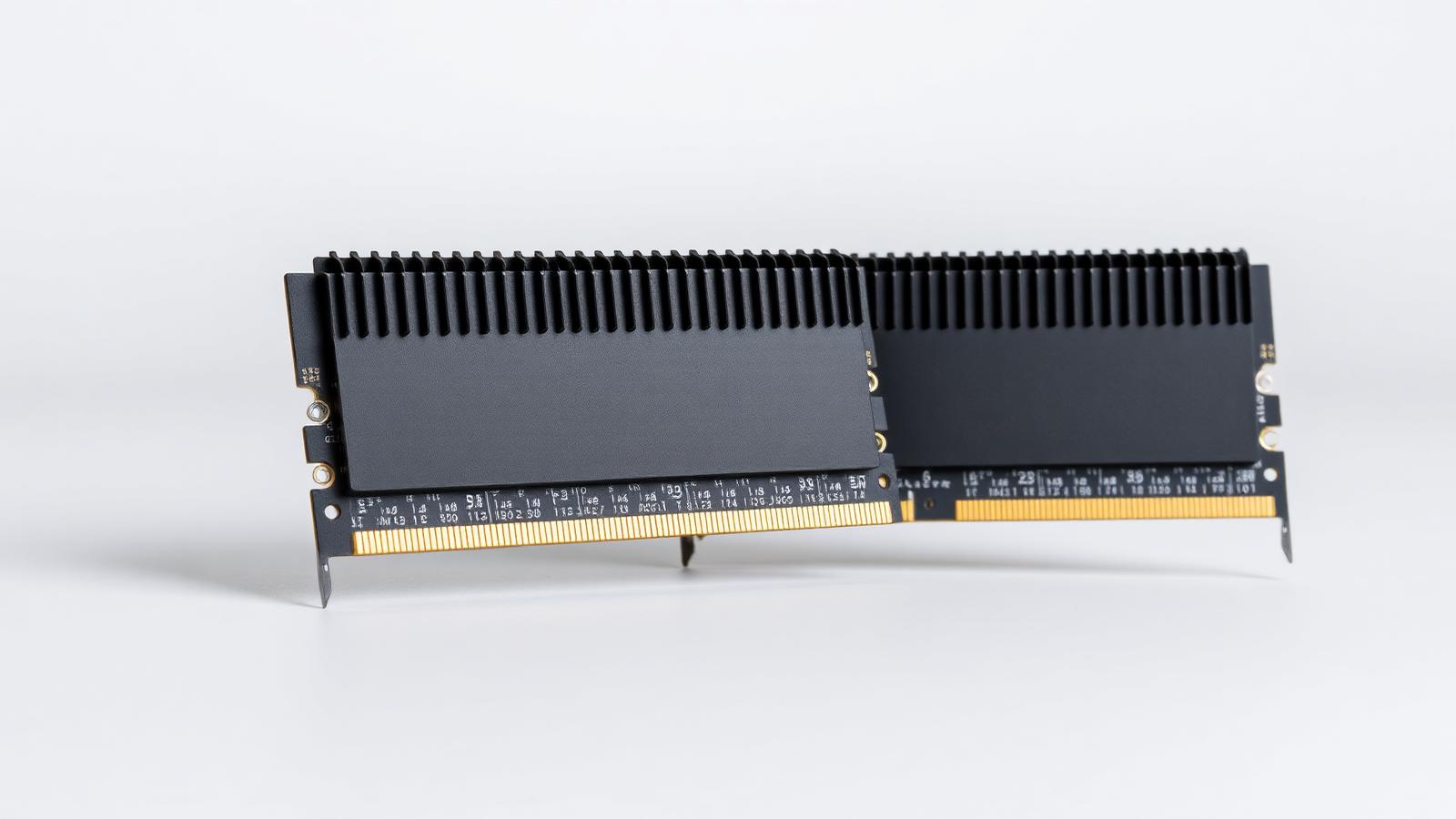
Two desktop memory modules with black heat spreaders
Illustrative photo of the product category — not a specific model or retailer listing.

Memory is the specification most often bought wrong in both directions. Buyers spend on 64 GB they will never touch, or save on 8 GB that will make an otherwise good machine frustrating within a year.

The honest answer depends on two things: what you run simultaneously, and whether the memory can be upgraded later. On a desktop, buying less now is low risk. On a laptop with soldered memory, it is a permanent decision.

What actually matters

  • Upgradeability changes everything. If memory is soldered, buy for the machine's whole life. If it is in slots, buy for today and add later when prices fall.
  • Browsers and background apps are the real consumers. Chat clients, music, note apps and dozens of tabs quietly consume many gigabytes before your actual work starts.
  • Containers, virtual machines and emulators multiply needs. Each virtualised environment reserves memory. This is the single biggest reason developers outgrow 16 GB.
  • Speed and channels matter for integrated graphics. Two matched sticks in dual channel matter far more than a small increase in rated speed, especially where the graphics share system memory.
  • More memory does not make an idle system faster. Beyond what you use, extra capacity sits unused. It is insurance against future workloads, not a speed upgrade.

Our picks

Two desktop memory modules with black heat spreaders

Illustrative

8 GB

Light, single-task use

Specs:
Browsing, email, documents, streaming
Typical price:
cheapest configurations
Who it suits:
Secondary machines and Chromebook-style use only. Do not buy 8 GB soldered in a primary computer you intend to keep.
Two desktop memory modules with black heat spreaders

Illustrative

16 GB

The sensible baseline

Specs:
Heavy browsing, office work, photo editing, mainstream gaming
Typical price:
mainstream
Who it suits:
Most people. Comfortable today and for several years in ordinary use.
Two desktop memory modules with black heat spreaders

Illustrative

32 GB

The professional default

Specs:
Containers, virtual machines, 4K video, large datasets, many applications at once
Typical price:
upper mainstream
Who it suits:
Developers, editors and analysts. The tier that removes memory from your list of daily annoyances.
Two desktop memory modules with black heat spreaders

Illustrative

64 GB and above

Specialist workloads

Specs:
Large virtual machine labs, 8K editing, big in-memory datasets, local model work
Typical price:
high
Who it suits:
People who already know they need it from a specific tool's requirements. Otherwise the money belongs elsewhere.

Frequently asked questions

Is 16 GB still enough in 2026?

For ordinary computing and mainstream gaming, yes. It becomes limiting with containers, virtual machines, large video projects or very heavy multitasking — which is why 32 GB has become the professional default.

Does more RAM speed up my computer?

Only if you were running out. Adding capacity beyond your actual usage changes nothing; the gain comes from eliminating swapping to disk, not from the memory itself.

Is faster RAM worth paying for?

Modestly, and mostly for systems using integrated graphics that share system memory. Running two matched sticks in dual channel matters far more than a small step up in rated speed.

Can I mix memory sizes and brands?

Usually it works, but you may lose dual-channel benefits or run everything at the slowest stick's timings. Matched kits are the safer purchase when performance matters.

Check live prices

Prices in this guide are ranges, not quotes — device pricing moves daily and varies by country. Run the search to see current listings across supported retailers and marketplaces, scored against what you asked for.

Related guides

How Findeso makes money

Some outbound links may earn Findeso a commission at no additional cost to you. Commission is never an input to rankings or scores — see the affiliate disclosure and how scoring works.