Phone accessories actually worth buying

PhonesLast updated July 31, 2026Independent research — Findeso does not sell products

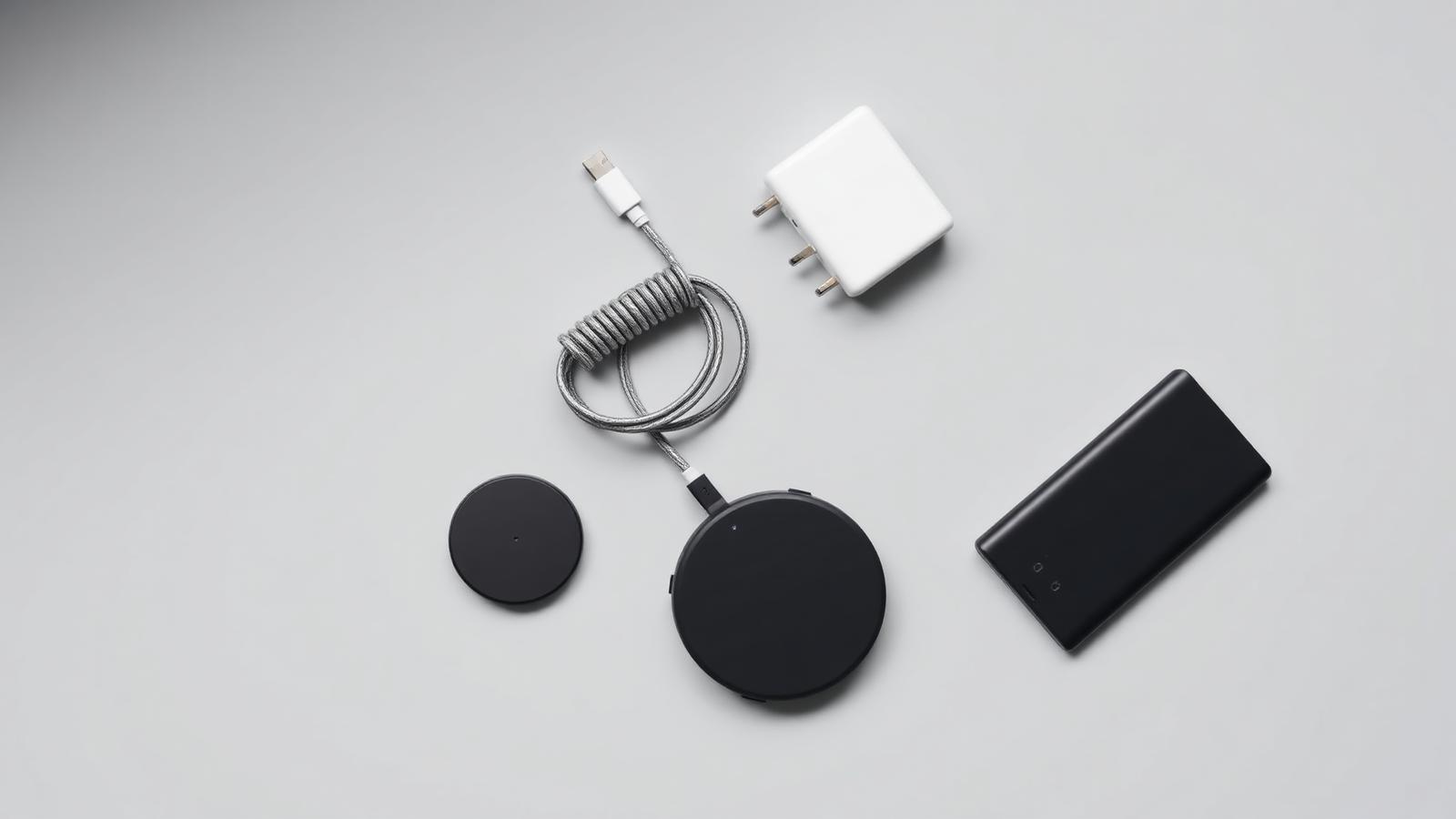
Phone charger, cable, wireless charging puck and power bank
Illustrative photo of the product category — not a specific model or retailer listing.

Accessories are where phone budgets quietly leak. A $60 branded cable and a $12 certified one carry the same power; a 20,000 mAh brick you never carry is worse than a 5,000 mAh one you do.

This guide covers the four purchases that measurably improve daily use, with the specifications that separate a good unit from a repackaged one — wattage, certification, cell capacity and drop rating.

What actually matters

  • Charger: buy GaN, buy watts you can use. GaN chargers are physically smaller and run cooler. A 30–45 W unit fast-charges any phone; only go to 65 W+ if the same charger will also feed a laptop.
  • Cable: certification, not braiding. Look for USB-IF certified cables rated for the wattage you need, and check whether the cable carries data at all — many charge-only cables look identical and will not sync or drive a display.
  • Power bank: capacity you will actually carry. A 5,000 mAh magnetic pack fits a pocket and gives roughly one charge. A 20,000 mAh brick gives four and lives in a bag. Buy for the bag you actually carry, and check the airline limit (100 Wh, about 27,000 mAh).
  • Case: drop rating beats brand. Look for a stated drop-test height and a raised lip around the camera and screen. Thin fashion cases protect against scratches only.
  • Skip the tempered-glass upsell at checkout. Screen protectors are commodity items. Buying a three-pack online costs a fraction of the in-store installed price and the glass is the same.

Our picks

Phone charger, cable, wireless charging puck and power bank

Illustrative

Best charger

45 W dual-port GaN wall charger

Specs:
GaN, USB-C PD 3.0, 45 W total, folding prongs
Typical price:
budget
Who it suits:
Everyone. Charges a phone at full speed, a tablet, or a thin laptop in a pinch, from one small brick.

Phone charger, cable, wireless charging puck and power bank

Illustrative

Best cable

USB-C to USB-C, 100 W, USB-IF certified, 2 m

Specs:
100 W power delivery, data-capable, certified, 2 metre braided
Typical price:
budget
Who it suits:
One cable that charges anything and still transfers data. Two metres is the length people wish they had bought.
Phone charger, cable, wireless charging puck and power bank

Illustrative

Best power bank

10,000 mAh USB-C PD power bank

Specs:
10,000 mAh, 20–30 W USB-C output, pass-through charging
Typical price:
budget
Who it suits:
The best size/weight compromise: about two phone charges, still pocketable, and airline-legal.
Phone charger, cable, wireless charging puck and power bank

Illustrative

Best case

Drop-rated case with magnetic alignment

Specs:
Stated multi-metre drop rating, raised camera lip, magnet array for wireless charging
Typical price:
budget to mainstream
Who it suits:
Anyone who uses magnetic mounts or chargers. The magnet array is the difference between snapping on and sliding off.

Frequently asked questions

Does a higher-wattage charger damage my phone?

No. USB Power Delivery negotiates the rate the phone requests, so a 65 W charger feeds a 25 W phone at 25 W. Higher wattage buys headroom for other devices, not risk.

Are expensive cables faster?

No. Beyond certification for the wattage and data speed you need, price buys braiding and warranty. A certified $12 cable performs identically to a $50 one.

Can I take a power bank on a plane?

In carry-on only, and generally up to 100 Wh — roughly 27,000 mAh at 3.7 V. Anything larger needs airline approval; check before flying.

Is wireless charging worth it?

For convenience at a desk or bedside, yes. It is slower and warmer than cable charging, so use a cable when you need speed and a pad when you need to just put the phone down.

Check live prices

Prices in this guide are ranges, not quotes — device pricing moves daily and varies by country. Run the search to see current listings across supported retailers and marketplaces, scored against what you asked for.

Related guides

How Findeso makes money

Some outbound links may earn Findeso a commission at no additional cost to you. Commission is never an input to rankings or scores — see the affiliate disclosure and how scoring works.