Bose vs Sony noise cancelling headphones

AudioLast updated August 1, 2026Independent research — Findeso does not sell products

Over-ear noise cancelling headphones
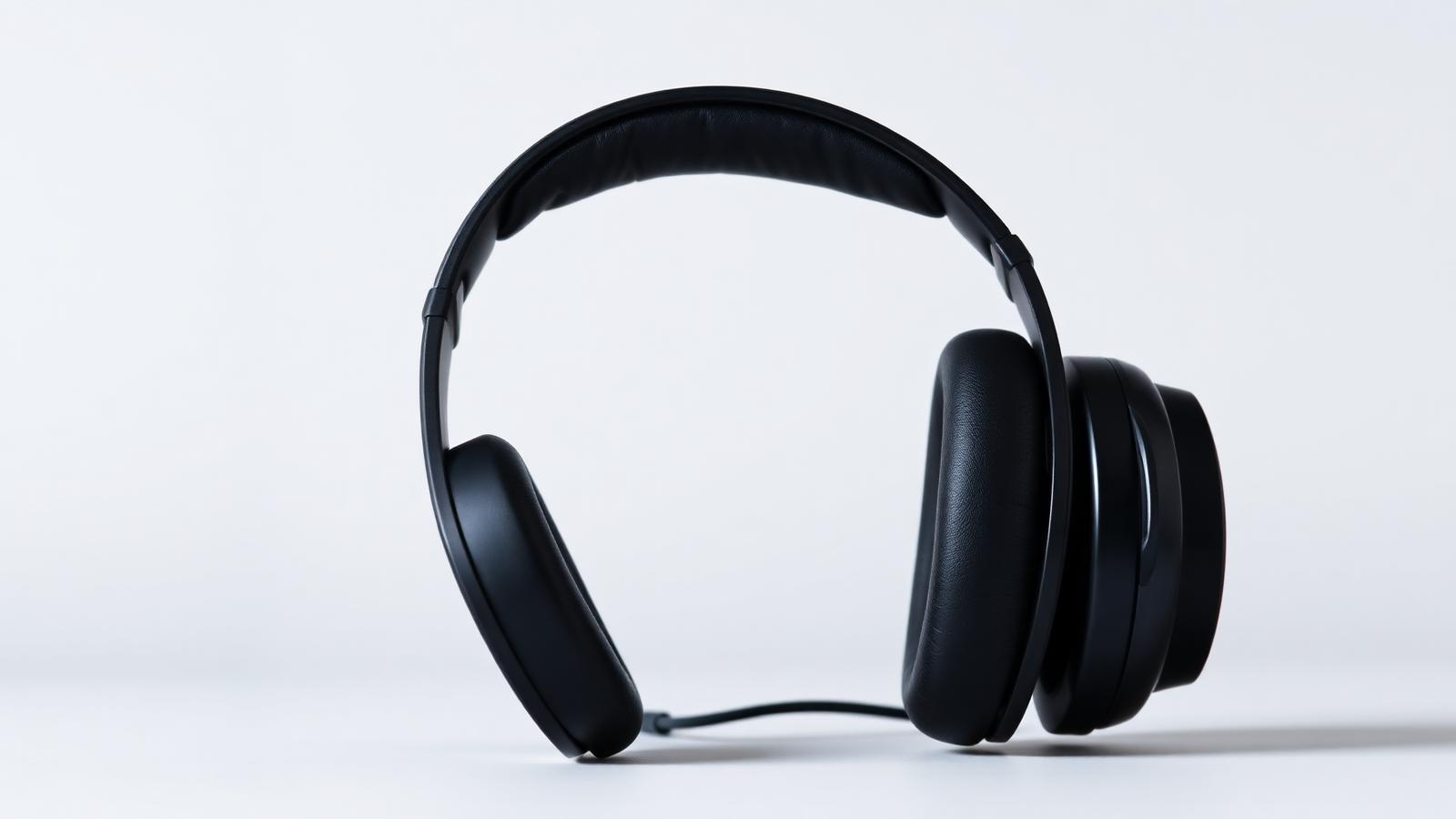
Illustrative photo of the product category — not a specific model or retailer listing.

Bose and Sony have traded the noise cancelling crown back and forth for a decade, and both current flagships are excellent enough that either will satisfy most flyers and commuters. The differences are now in fit, sound tuning and small software touches rather than any dramatic gap in silence.

Bose tends to win on physical comfort for longer sessions and on cancelling very low, steady rumble such as jet engine drone. Sony tends to win on sound customisation, multipoint reliability and battery life on paper. Neither is a bad choice; the decision comes down to your head shape and whether you tinker with EQ.

Below is what actually separates them, a side-by-side comparison, and honest answers to the questions people ask before choosing a side.


What actually matters

  • Clamping force decides long-haul comfort. Bose headphones use a lighter clamp and softer cushions, which suits long flights and glasses wearers. Sony's clamp is slightly firmer, which some find more secure but tiring after several hours.
  • Cancellation strength is close but not identical. Both remove engine drone and HVAC hum almost completely. Bose is marginally stronger on very low frequencies; Sony is marginally better at adapting to sudden environmental changes, such as walking indoors from a windy street.
  • Sound signature is a matter of taste, not quality. Bose ships a warmer, slightly bass-forward default tuning with limited EQ. Sony ships closer to neutral with a full parametric EQ and head-tracked spatial audio for supported content.
  • App features and multipoint reliability vary. Sony's app offers more tuning and DSEE upscaling for compressed audio. Bose's app is simpler and, historically, more reliable at holding two simultaneous Bluetooth connections without dropouts.
  • Battery life numbers assume ANC on and are close enough to ignore. Both land in a similar range with cancellation active. Quick-charge top-ups of 5–10 minutes for a few hours of playback are standard on both flagships now.

The verdict

Over-ear noise cancelling headphones

Illustrative

Buy Bose if

Bose QuietComfort Ultra Headphones

Specs:
Very light clamp, strongest low-frequency cancellation, simple app, comfortable for long flights
Typical price:
premium tier
Who it suits:
You wear glasses, take long flights, or find most headphones uncomfortable after an hour. You want the quietest possible cabin and don't need deep EQ control.
Over-ear noise cancelling headphones

Illustrative

Buy Sony if

Sony WH-1000X flagship

Specs:
Neutral tuning with full EQ, strong adaptive cancelling, spatial audio, reliable multipoint
Typical price:
premium tier, often discounted sooner than Bose
Who it suits:
You like tuning your own sound, switch between a laptop and phone often, or want the model that discounts faster during sales events.
Over-ear noise cancelling headphones

Illustrative

Best value alternative

Previous-generation flagship from either brand

Specs:
One generation old, same core cancelling and comfort, meaningfully cheaper
Typical price:
commonly 25–35% below the current flagship
Who it suits:
Most buyers. Year-over-year gains in this category are incremental, and last year's model rarely feels dated after a week of use.

Side by side

 BoseSony
Comfort for long sessionsLighter clamp, very comfortableSlightly firmer, still good
Low-frequency cancellationBest in classExcellent, marginally behind Bose
Sound tuningWarm, limited EQNeutral, full parametric EQ
App depthSimple, few settingsExtensive, includes spatial audio
Multipoint reliabilityVery reliableGood, improved in recent updates
Typical discountingSlower to discountDiscounts sooner and deeper

Frequently asked questions

Which cancels more noise, Bose or Sony?

They are close. Bose has a slight edge on constant low-frequency rumble like jet engines; Sony adapts marginally faster to changing environments. In blind tests most listeners cannot reliably tell them apart.

Which is more comfortable for long flights?

Bose, for most head shapes, because of its lighter clamping force and softer cushions. Sony is still comfortable for a few hours but some users feel the clamp after three or four.

Do either work well for phone calls?

Both are adequate indoors and mediocre in wind, like most over-ear headphones. Neither matches a dedicated headset for call clarity outdoors.

Is last year's model worth buying instead?

In most cases, yes. Both brands make incremental yearly updates, and a previous-generation flagship bought at a discount is usually the smarter purchase over the current model at full price.

Which has better sound quality?

Sony leans neutral with more tuning options; Bose leans warmer and simpler. Neither is objectively better — it depends on whether you prefer to adjust EQ yourself or want a sensible default out of the box.

Check live prices

Prices in this guide are ranges, not quotes — device pricing moves daily and varies by country. Run the search to see current listings across supported retailers and marketplaces, scored against what you asked for.

Related guides

How Findeso makes money

Some outbound links may earn Findeso a commission at no additional cost to you. Commission is never an input to rankings or scores — see the affiliate disclosure and how scoring works.